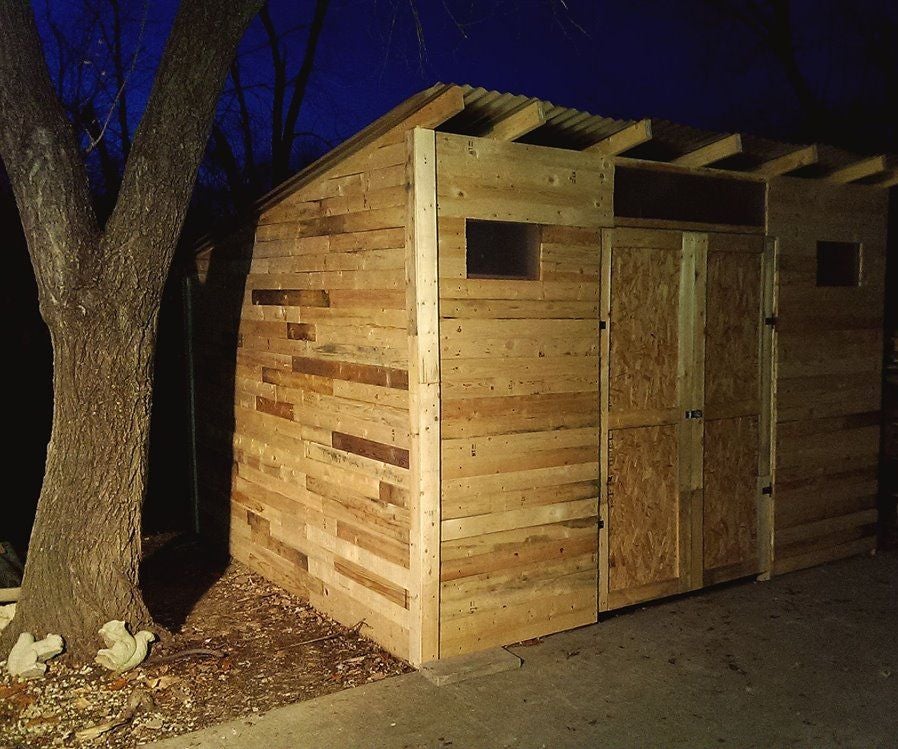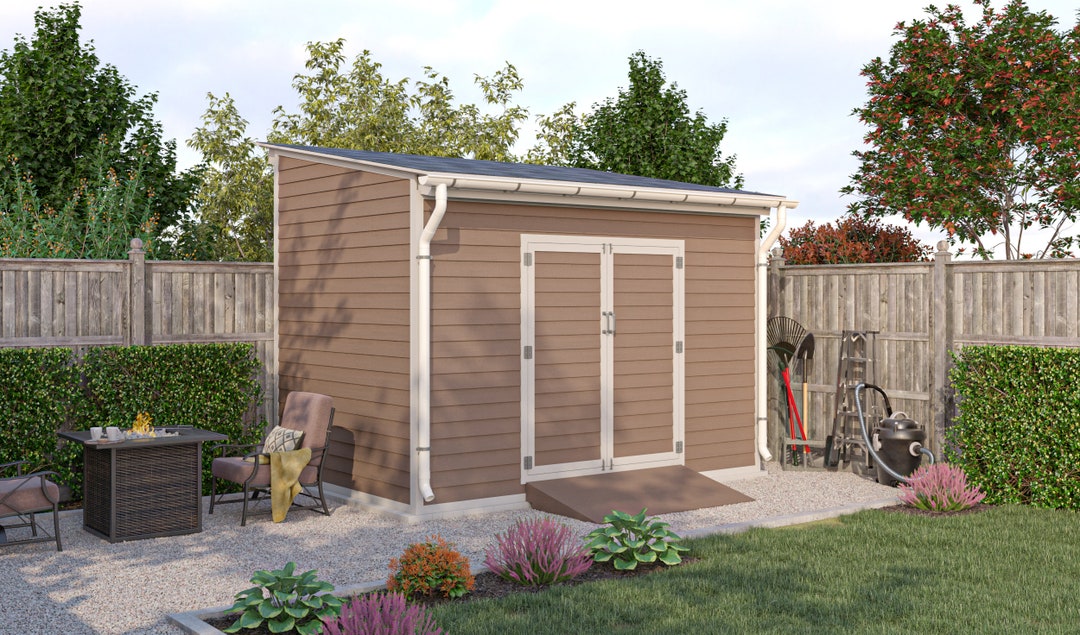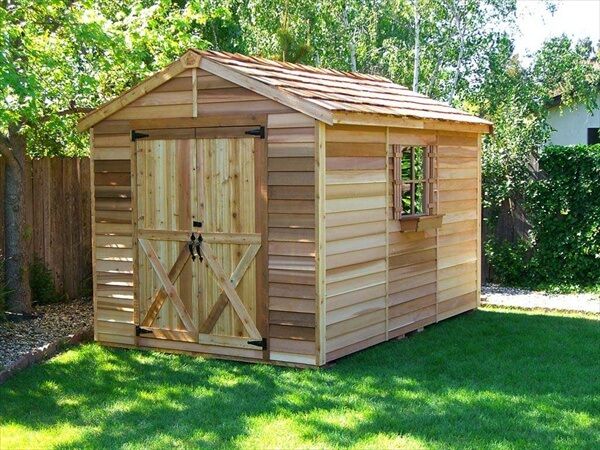
Wooden Pallet Shed Plans for DIY Enthusiasts Looking to Save Money

Wooden Pallet Shed Plans for DIY Enthusiasts Looking to Save Money

Constructing a Cost-Effective Wooden Pallet Shed: A Comprehensive DIY Guide

The allure of a personalized outdoor storage solution is undeniable, particularly for the budget-conscious DIY enthusiast. This comprehensive guide details the process of constructing a robust and aesthetically pleasing shed using reclaimed wooden pallets, offering a significant reduction in material costs compared to traditional shed construction. This approach not only saves money but also promotes environmentally responsible practices by repurposing readily available materials.

Planning and Preparation: Laying the Foundation for Success

Before embarking on the construction, meticulous planning is crucial to ensure a successful outcome. This phase involves several key steps, each contributing to the overall project efficiency and structural integrity.

Determining Shed Dimensions and Location

The initial step involves determining the desired dimensions of your pallet shed. Consider the intended storage capacity and the available space in your yard. Accurate measurements are paramount. Ensure the chosen location provides adequate access for construction and future use, while also considering factors like sunlight exposure, drainage, and proximity to existing structures.

Gathering Materials and Tools

The beauty of this project lies in its reliance on readily available and cost-effective materials. The primary component, of course, is reclaimed wooden pallets. Inspect each pallet carefully for structural soundness; discard any exhibiting significant damage or rot. You will also need additional materials such as:

  • Concrete blocks or a similar foundation material: Provides a level base and elevates the shed off the ground.
  • Exterior-grade screws and nails: Choose corrosion-resistant options for longevity.
  • Plywood or OSB sheeting: For the roof and any interior wall sections requiring more robust construction.
  • Roofing felt or similar waterproof membrane: Essential for protecting against the elements.
  • Exterior-grade paint or sealant: Enhances durability and aesthetics.
  • Hinges and a latch mechanism: For the shed door.

In terms of tools, you'll require a standard DIY toolkit, including a hammer, screwdrivers, a drill with appropriate bits, a measuring tape, a saw (circular saw recommended), a level, and safety glasses.

Site Preparation and Foundation Construction

Prepare the ground by clearing any vegetation and leveling the area where the shed will stand. Construct a sturdy and level foundation using concrete blocks, setting them in a pattern suitable for the planned shed dimensions. Ensure the foundation is perfectly level to prevent structural issues later.

Constructing the Shed Frame: A Step-by-Step Guide

With the foundation in place, you can begin the framework construction. This phase requires careful attention to detail to ensure structural integrity.

Assembling the Pallet Walls

Begin by inspecting the pallets thoroughly to assess their suitability. You'll likely need to disassemble some pallets to acquire the necessary lumber for creating a complete and robust wall structure. Carefully remove any nails or screws that are loose or damaged. Construct the walls by strategically arranging and securing the pallets, ensuring vertical alignment and stability. For added strength, consider using exterior-grade screws or bolts to join the pallets together.

Building the Roof Frame

The roof frame should be designed to support the weight of the roofing material. You can construct a simple gable or shed roof using lumber from disassembled pallets or additional purchased lumber. The framing should be sufficiently strong to withstand anticipated loads, including snow and wind.

Attaching the Walls and Roof

Carefully raise and secure the pallet walls onto the foundation, ensuring they are plumb and square. Once the walls are firmly in place, carefully attach the roof frame to the top of the walls. Ensure all connections are secure and adequately reinforced.

Completing the Shed: Refinements and Finishing Touches

The final stages involve adding finishing touches to enhance the shed's functionality and aesthetics.

Roofing and Waterproofing

Once the roof frame is secure, apply a layer of roofing felt or another suitable waterproof membrane to protect the shed’s interior from rain and snow. This is crucial for long-term durability. Consider adding a layer of shingles or other roofing material for a more aesthetically pleasing finish.

Adding Doors and Windows

Construct a door frame using lumber and attach hinges to allow the door to open and close smoothly. Secure a latching mechanism to keep the door securely closed. If desired, you can incorporate windows for added light and ventilation. These can be simple, commercially available windows, or you could construct your own using reclaimed materials.

Interior Finishing and Exterior Treatment

Once the structure is complete, consider applying an exterior-grade paint or sealant to protect the wood from the elements and enhance its aesthetic appeal. For the interior, you might choose to add shelving or other organizational elements to maximize storage space. A simple coat of interior paint can also improve the look and feel of the interior.

Safety Precautions and Considerations

Throughout the construction process, safety should be your top priority. Always wear appropriate safety gear, including safety glasses, gloves, and sturdy footwear. When using power tools, ensure you understand and follow all safety guidelines. It's advisable to consult local building codes and regulations before commencing construction to ensure compliance.

Building a wooden pallet shed is a rewarding project that combines cost savings with environmental responsibility. By following these detailed instructions and prioritizing safety, you can create a durable and functional storage solution that will serve you well for years to come. Remember that while this guide provides a comprehensive overview, individual adjustments may be necessary depending on specific circumstances and available materials.

Share:

How to Build a Lean-To Shed That Will Last for Years to Come

How to Build a Lean-To Shed That Will Last for Years to Come

Building a Lean-To Shed That'll Outlast You (Almost!)

Hey there, folks! So you're thinking about building a lean-to shed? Smart move! They're incredibly versatile, relatively easy to build, and can add tons of valuable storage space to your property. But a flimsy lean-to is just asking for trouble. We're going to dive deep into building one that'll withstand the test of time, and maybe even outlive you (almost!).

Planning is Key: Before You Even Grab a Hammer

Before you even think about touching a tool, some serious planning needs to happen. This isn’t just about throwing some wood together; we’re aiming for a solid structure.

Choosing the Right Spot

Where will your lean-to live? Consider these factors:

  • Existing Structure: You need a sturdy wall to lean your shed against. A house, garage, or even a well-built fence will work. Make sure it’s level and strong enough to support the weight.
  • Sun Exposure: Think about sun exposure. Too much sun can cause the wood to warp and fade. Partial shade is ideal.
  • Access: Will you be able to easily access the shed? Consider the path to it, and whether you'll need to maneuver large items in and out.
  • Drainage: Make sure the ground slopes away from the lean-to to prevent water from pooling against the foundation.

Determining the Size and Materials

How much stuff do you need to store? A small lean-to might only be 4ft x 6ft, while a larger one could be 8ft x 12ft or even bigger. Remember, bigger means more materials and more work!

Material selection is crucial for longevity. Pressure-treated lumber is your best friend here. It resists rot and insect damage, making it ideal for outdoor structures. Consider these materials:

  • Pressure-treated 4x4 posts for the support posts
  • Pressure-treated 2x4s or 2x6s for the framing â€" 2x6s offer more strength
  • Plywood or OSB sheeting for the walls and roof â€" Plywood is generally more durable but OSB is more affordable
  • Roofing material: Asphalt shingles, metal roofing, or even corrugated plastic are all options. Metal is durable but can be noisy in the rain; asphalt shingles are more common and quieter.
  • Fasteners: Use galvanized nails or screws to resist rust.

Obtaining Necessary Permits

Check with your local building department. Depending on your location and the size of your lean-to, you might need a permit. It's always better to be safe than sorry and avoid potential fines.

Construction: Building Your Lean-To

Now for the fun part! Remember safety first â€" wear safety glasses and gloves throughout the process.

Foundation

A solid foundation is paramount. For a small lean-to, you can often get away with a simple gravel base. For a larger one, consider concrete piers or a concrete slab for added stability. Level the ground carefully before you begin.

Framing

This is where your pressure-treated 4x4 posts come into play. Set them in your foundation, ensuring they are plumb (perfectly vertical). Attach them securely to your existing structure and to each other using strong metal brackets.

Next, you'll build the frame of your lean-to using your 2x4s or 2x6s. Construct a rectangular frame on top of the support posts. Make sure your frame is square and level, using a level and measuring tape frequently. This is crucial for a strong and aesthetically pleasing structure.

Sheathing

Once your frame is complete, you can add the sheathing (plywood or OSB). Attach it securely using nails or screws, ensuring the sheets are flush and properly aligned. This will create a solid surface for your roofing material.

Roofing

This step will depend on your chosen roofing material. Whether you're using asphalt shingles, metal roofing, or corrugated plastic, follow the manufacturer's instructions carefully. Ensure proper overlap to prevent leaks. If using shingles, start at the bottom and work your way up.

Finishing Touches

Once your roof is on, you can add a door and/or windows if desired. Consider adding trim to the edges for a neater finish. A coat of exterior-grade paint or stain will protect your shed from the elements and enhance its appearance.

Maintenance: Keeping Your Lean-To in Top Shape

Building a durable lean-to is only half the battle. Regular maintenance will ensure it lasts for years to come.

  • Annual Inspection: Check for any signs of damage, rot, or insect infestation.
  • Repairing Damage Promptly: Address any issues immediately to prevent further deterioration.
  • Cleaning: Keep the shed clean and free of debris.
  • Resealing or Repainting: Every few years, consider resealing or repainting the wood to protect it from the elements.

Commonly Asked Questions

Q: How much does it cost to build a lean-to shed?

A: The cost varies greatly depending on size, materials, and your labor costs. Expect to spend anywhere from a few hundred to a couple of thousand dollars.

Q: Do I need special tools?

A: You'll need basic tools like a hammer, saw, level, measuring tape, drill, and possibly a nail gun. Specific tools will depend on your chosen materials and design.

Q: How long does it take to build a lean-to shed?

A: This depends on your experience and the size of the shed. A small lean-to might take a weekend, while a larger one could take several days or even a week.

Q: Can I build a lean-to shed on my own?

A: Yes, you can, especially for smaller structures. However, if you're not comfortable with DIY projects or if you're building a large and complex lean-to, consider getting help from a friend or hiring a contractor.

Q: What kind of permits do I need?

A: This varies greatly depending on your location. Check with your local building department for specific requirements.

There you have it! Building a long-lasting lean-to shed is achievable with careful planning and execution. Happy building!
Share:

How to Make a Small Pallet Shed with Easy-to-Follow Plans

How to Make a Small Pallet Shed with Easy-to-Follow Plans

Build Your Own Charming Pallet Shed: A Step-by-Step Guide

Dreaming of a quaint, rustic storage solution for your backyard? Forget expensive pre-fab sheds! This guide shows you how to construct a charming and functional small pallet shed using readily available materials. This project is perfect for beginners, requiring minimal tools and expertise, while offering a significant return in both organization and curb appeal. Prepare to be amazed by how easily you can transform reclaimed pallets into a beautiful and useful addition to your outdoor space.

Gathering Your Materials: A Pallet Shed Shopping List

Before you grab your hammer, ensure you have all the necessary materials. The beauty of this project lies in its affordability and use of readily available resources. Start by sourcing your pallets â€" check with local businesses or construction sites; many are happy to give away used pallets. Inspect them carefully, ensuring they are sturdy and free from rot or significant damage. Remember, safety first! Always wear gloves and protective eyewear when handling pallets.

Essential Materials:

  • 6-8 sturdy reclaimed pallets (depending on desired shed size)
  • Pressure-treated lumber for the base frame (approximately 4x4 posts and 2x4s for framing)
  • Roofing material (corrugated metal, asphalt shingles, or even recycled plastic sheeting)
  • Heavy-duty screws and nails (galvanized for outdoor use)
  • Exterior-grade wood glue for added strength
  • Level, measuring tape, and a saw (circular saw or hand saw)
  • Drill with appropriate drill bits
  • Shovel or post-hole digger (for setting the base)

Constructing the Foundation: A Stable Base for Your Shed

A strong foundation is crucial for any structure. Begin by creating a level base using pressure-treated lumber. This will prevent rot and ensure your shed stands firm for years. Dig four post holes, ensuring they are deep enough to provide stability. Set your 4x4 posts into the holes, ensuring they are perfectly plumb (vertical) using your level. Fill the holes with concrete mix, allowing it to fully set before proceeding. Once set, construct a perimeter frame around the posts using 2x4s, creating a solid base for your pallet walls.

Assembling the Walls: Building a Sturdy Structure

Now comes the rewarding part â€" assembling the pallet walls. Start by carefully cleaning your pallets, removing any loose nails or debris. You might need to reinforce weak areas with additional screws or wood glue. Attach the pallets to the base frame using heavy-duty screws, ensuring they are aligned and evenly spaced. Consider adding diagonal bracing for extra strength and stability, particularly if you live in an area prone to high winds. Remember, accuracy is key here, so take your time and ensure each pallet is securely fastened.

Adding the Roof: Protecting Your Investment

With the walls complete, it's time to add the roof. You can choose from various roofing materials based on your budget and aesthetic preferences. Corrugated metal is durable and relatively inexpensive, while asphalt shingles offer a more traditional look. Regardless of your choice, ensure you have a sufficient overhang to protect the walls from the elements. Construct a simple gable roof or a shed roof (single slope) depending on your preference and the overall design. Secure the roofing material firmly using appropriate fasteners.

Finishing Touches: Adding Personality and Functionality

Finally, add your personal touches! Consider adding a door using additional pallets or repurposed wood. You can paint or stain your shed to match your existing outdoor décor, adding a touch of personality. Adding a simple latch or padlock will provide security. This is your chance to let your creativity shine â€" personalize your small pallet shed to make it truly your own.

Congratulations! You've successfully built your charming and functional pallet shed. Enjoy your newfound storage space and the satisfaction of creating something beautiful with your own hands.

Share:

DIY Pallet Shed: Build a Sturdy Shed for Your Backyard with Pallets

DIY Pallet Shed: Build a Sturdy Shed for Your Backyard with Pallets

DIY Pallet Shed: Build a Sturdy Shed for Your Backyard with Pallets

Hey there, fellow DIY enthusiasts! So you're thinking about building a shed, huh? That's awesome! But maybe the price tags at the home improvement store are making your eyes water a little. Don't worry, you're not alone. That's why I'm here to tell you about a fantastic, budget-friendly alternative: building a shed out of reclaimed pallets!

Now, before you get visions of a rickety, falling-apart structure dancing in your head, let me assure you, with a bit of planning and elbow grease, you can build a surprisingly sturdy and attractive shed using pallets. This project is perfect for those who love a challenge, enjoy saving money, and want a unique addition to their backyard. This isn't just about saving money though; it's about repurposing materials and being environmentally conscious. Let's dive in!

Planning Your Pallet Shed

The key to any successful DIY project is planning. Rushing into things will only lead to headaches (and possibly splinters!). So grab a cup of coffee, your favorite notebook, and let's get organized.

Choosing Your Pallets

Not all pallets are created equal. You'll want to source sturdy pallets made of heat-treated wood (look for the HT stamp). Avoid pallets with chemical treatments (like the MB stamp) as these can be harmful. Check local businesses â€" breweries, factories, and even grocery stores â€" often have pallets they're willing to give away. Just be sure to ask permission first!

Designing Your Shed

Think about the size and shape you want your shed to be. Consider the space you have available in your backyard and what you plan to store inside. Will it be a simple storage shed or something more elaborate? Sketch out a basic design â€" even a rough drawing will help. Think about the features you want, like a door, windows, and a roof.

Remember, you'll be working with existing pallet dimensions, so your design will need to adapt to their size and shape. Don't try to force a design onto the pallets; let the pallets guide your design.

Gathering Your Tools and Materials

Besides the pallets, you'll need a few essential tools and materials. Here’s a basic list:

  • Hammer
  • Screwdriver (preferably a drill with various bits)
  • Measuring tape
  • Level
  • Saw (circular saw or hand saw)
  • Safety glasses
  • Work gloves
  • Screws (various lengths)
  • Nails (if needed)
  • Wood glue
  • Roofing material (tar paper, shingles, or metal)
  • Optional: Door hinges, door handle, window frames, paint, stain

This list might seem daunting, but you probably already have some of these items around your house. Don't forget to check your local hardware store for deals!

Building Your Pallet Shed: A Step-by-Step Guide

Okay, here's where the fun begins! This is a general guide, and your specific steps may vary depending on your design. This project is best broken down into several sessions â€" don’t try to do everything in one day!

Cleaning and Preparing the Pallets

Before you start assembling, clean the pallets thoroughly. Use a wire brush to remove any dirt, debris, or loose nails. Inspect each pallet for damage and replace or repair any broken pieces. Consider sanding down any rough edges for safety and a smoother finish.

Constructing the Frame

Start by assembling the base of your shed. You’ll likely need to use multiple pallets, potentially cutting and joining them to create a stable base of the desired dimensions. Use screws and wood glue for maximum strength. Ensure your base is perfectly level â€" this is crucial for the entire structure’s stability. Once the base is secure, build the walls using more pallets. Again, you might need to cut and adjust some pallets to fit your design.

Adding the Roof

The roof is arguably the most important part of your shed. You'll want to create a sturdy frame for your chosen roofing material. Whether you choose shingles, metal roofing, or even just tar paper, ensure that the frame is strong enough to support the weight, especially in areas with high winds or snow.

Finishing Touches

Once the main structure is complete, add the finishing touches. Install your door, windows (if you've chosen to include them), and any other desired features. Consider painting or staining your shed to protect the wood and enhance its appearance. A fresh coat of paint can really transform the look of your pallet shed.

Tips for Success

  • Safety first! Always wear safety glasses and work gloves.
  • Take your time. Don't rush the process. Accuracy is key to a strong and stable shed.
  • Use plenty of screws and glue. This will help prevent your shed from falling apart.
  • Consider adding a foundation. This will provide extra stability and protection from the ground.
  • Get creative! Don’t be afraid to experiment with your design and add your own personal touches.

Commonly Asked Questions

Here are some frequently asked questions about building a pallet shed:

Q: How long does it take to build a pallet shed?

A: The time it takes depends on the size and complexity of your design, as well as your experience level. It could take a weekend for a small, simple shed, or several weekends for a larger, more elaborate one.

Q: How much does it cost to build a pallet shed?

A: The main cost will be the additional materials like screws, glue, roofing, and any added features like doors and windows. If you can source pallets for free, your overall cost can be significantly lower than buying a pre-made shed.

Q: How durable is a pallet shed?

A: With proper construction and maintenance, a pallet shed can be surprisingly durable. However, it won't last as long as a shed made from pressure-treated lumber. Regular maintenance, such as repainting or staining, will extend its lifespan.

Q: What kind of permits do I need?

A: Building regulations vary by location. Check with your local authorities to see if you need any permits before starting your project.

Q: Can I use any type of pallet?

A: No, only use heat-treated pallets (marked HT). Avoid chemically treated pallets as they can be hazardous.

And there you have it! Building a pallet shed is a rewarding project that combines practicality, affordability, and environmental consciousness. So grab those pallets and get building! I hope this guide has helped you. Remember to share your progress and finished shed with me â€" I'd love to see it!

Share:

How to Build an 8x12 Shed with Materials List: DIY Storage Solution

How to Build an 8x12 Shed with Materials List: DIY Storage Solution

Constructing an 8x12 Shed: A Comprehensive DIY Guide

This comprehensive guide details the process of building an 8x12 shed, providing a detailed materials list and step-by-step instructions for a successful DIY project. Careful planning and execution are crucial for a structurally sound and aesthetically pleasing result. This guide assumes a basic understanding of carpentry and the use of power tools. Always prioritize safety and wear appropriate protective gear throughout the construction process.

Phase 1: Planning and Preparation

Site Selection and Preparation

Begin by selecting a suitable location for your shed. Ensure the area is level, has adequate access for delivery of materials, and complies with any local building codes and regulations regarding setbacks and permits. Clear the site of vegetation, debris, and any obstructions. Mark the perimeter of the shed using stakes and string to ensure accurate placement. A level ground is critical for a stable structure; consider grading and compacting the soil if necessary. You may need to obtain a building permit before commencing construction; check with your local authorities to confirm requirements.

Materials List

The following is an estimated materials list. Quantities may need adjustment based on your specific design and local lumber availability. Always purchase extra materials to account for potential cuts, mistakes, or unforeseen circumstances.

  • Pressure-treated lumber:
    • 4x6 pressure-treated posts (6): For foundation
    • 4x4 pressure-treated skids (4): For base
    • 2x6 pressure-treated floor joists (approximately 10-12): Spacing will depend on your floor design
    • 2x4 pressure-treated wall studs (approximately 50-60): Spacing generally 16” on center
    • 2x4 pressure-treated rafters (approximately 12-15): Depending on roof design
    • 2x6 pressure-treated plates (top and bottom): For wall framing
    • Plywood sheeting (5/8" or ¾"): For floor and walls
    • Roofing plywood (¾"): For roof decking
  • Fasteners:
    • Concrete (for post bases)
    • Galvanized nails (various sizes)
    • Galvanized screws (various sizes)
    • Lag screws
    • Construction adhesive
  • Roofing Materials:
    • Shingles (asphalt or metal)
    • Underlayment
    • Roofing felt
    • Ridge cap
  • Doors and Windows (optional):
    • Pre-hung door
    • Window frames and glazing
  • Other Materials:
    • House wrap
    • Exterior siding (optional)
    • Paint or stain (optional)
    • Level
    • Tape measure
    • Safety glasses
    • Work gloves

Phase 2: Foundation and Framing

Constructing the Foundation

Dig holes for the 4x6 pressure-treated posts, ensuring they are deep enough and set in concrete for stability. Use a level to ensure the posts are plumb and level. Allow the concrete to cure completely before proceeding. Alternatively, a concrete slab may be used as a foundation. If using skids, ensure they are level and securely fastened to the posts.

Floor Framing

Once the foundation is set, construct the floor frame using the 2x6 pressure-treated floor joists. Space the joists evenly, ensuring they are securely attached to the foundation and each other. Install plywood sheeting over the joists, securing it with nails or screws. Ensure the plywood is flush and level.

Wall Framing

Build the wall frames using 2x4 pressure-treated studs, spaced 16 inches on center. Attach the studs to the top and bottom plates. Use a level and plumb bob to ensure the walls are square and plumb. Assemble the walls on the ground for easier handling before erecting them.

Raising the Walls

Carefully lift and position the assembled wall frames onto the floor frame. Securely fasten the walls to the floor frame and each other using appropriate fasteners. Use temporary bracing to ensure stability while the walls are being erected and fastened.

Phase 3: Roofing and Exterior Finishing

Roof Framing

Construct the roof frame using 2x4 pressure-treated rafters, ensuring proper overhang. Attach the rafters to the top plates of the walls. Use appropriate connectors and fasteners for a structurally sound roof frame. Consider the roof pitch and style based on your preferences and local climate. Ensure that the rafters are properly spaced and aligned. Check for squareness and plumb throughout this process.

Roof Sheathing and Roofing

Install roofing plywood over the rafters. Apply roofing felt or underlayment for water protection before installing the chosen roofing shingles. Follow the manufacturer's instructions for proper shingle installation. Ensure proper ventilation to prevent moisture buildup and extend the lifespan of the roofing.

Exterior Finishing

Install any doors and windows. Apply house wrap to protect the walls from moisture. Add exterior siding, if desired. Caulk all seams and joints to prevent water penetration. Apply a paint or stain finish to enhance the appearance and protect the wood from the elements.

Phase 4: Interior Finishing (Optional)

Interior Walls and Insulation

If desired, install interior walls and insulation for added warmth and soundproofing. Consider using drywall or plywood for interior wall finishes.

Electrical and Plumbing (If Applicable)

If installing electrical outlets or plumbing fixtures, ensure adherence to all local codes and regulations. Engage a qualified electrician or plumber for these aspects. Proper permits may be required for these installations.

Final Touches

Install shelving, lighting, and any other desired interior features. Clean up the area and dispose of waste materials properly.

Disclaimer: This guide provides general instructions. Building codes and regulations vary by location. Always consult local building codes and seek professional advice if needed. Improper construction can lead to structural problems and safety hazards.

Share:

Space-Efficient 8x12 Lean-To Shed Plans for Small Yards

Space-Efficient 8x12 Lean-To Shed Plans for Small Yards

Space-Efficient 8x12 Lean-To Shed Plans for Small Yards

Maximizing limited outdoor space is a common challenge for homeowners with smaller yards. A lean-to shed, particularly one with efficient dimensions, offers a practical solution for storage and organization without overwhelming the landscape. This article provides detailed plans for constructing an 8x12 lean-to shed designed specifically for space-conscious properties. The focus will be on maximizing functionality and minimizing footprint while maintaining structural integrity and aesthetic appeal.

I. Design Considerations for Small Yards

Before commencing construction, careful planning is crucial, especially in limited spaces. Several key aspects must be considered to ensure the 8x12 lean-to shed integrates seamlessly into the existing yard layout and enhances, rather than detracts from, the overall aesthetic.

A. Site Selection and Orientation

Optimal placement is paramount. Consider factors such as sunlight exposure, proximity to existing structures, and access for material delivery and future maintenance. Positioning the shed to minimize shadowing on other areas of the yard, particularly planting beds or patios, is essential. Orientation can also impact natural light inside the shed â€" facing it towards the south or west in the northern hemisphere can maximize sunlight penetration.

B. Foundation and Ground Preparation

A suitable foundation is critical for stability and longevity. Given the lean-to design and relatively small size, a concrete slab foundation is a cost-effective and sturdy choice. Thorough ground preparation, including excavation and leveling, is essential before pouring the concrete. Proper compaction of the soil prevents settling and potential structural problems.

C. Material Selection and Budget

Choosing the right materials directly impacts both cost and aesthetic appeal. Pressure-treated lumber offers a balance of durability and affordability for the frame. For the exterior cladding, consider options such as vinyl siding, metal sheeting, or cedar shingles, depending on the budget and desired look. Opting for locally sourced materials can further reduce costs and environmental impact.

II. Detailed Construction Plans: 8x12 Lean-To Shed

This section outlines the step-by-step construction process for an 8x12 lean-to shed. Detailed diagrams and measurements should accompany this plan for accurate construction.

A. Foundation Construction

  1. Mark the area for the concrete slab according to local building codes and considering a small overhang for weather protection. Ensure accurate dimensions of 8ft x 12ft.
  2. Excavate the area to a depth appropriate for your local climate and soil conditions, usually around 4-6 inches.
  3. Compact the base thoroughly using a tamper or plate compactor to prevent future settling.
  4. Install a gravel base (4 inches recommended) for better drainage and load distribution.
  5. Construct a formwork using lumber, ensuring levelness and stability. Reinforce with rebar for increased strength.
  6. Pour the concrete, ensuring proper consolidation to remove air pockets. Allow ample curing time before proceeding.

B. Framing the Structure

  1. Construct the main frame using pressure-treated lumber for the base plates, sill plates, wall studs, and rafters. Follow local building codes for spacing and size of lumber.
  2. The lean-to design requires a sturdy support wall. This could be an existing structure (garage, house) or a newly built wall with appropriate foundations.
  3. Construct the frame for the roof, ensuring proper rafter spacing and appropriate overhang. Consider the slope for adequate water runoff.
  4. Securely attach the frame to the foundation using anchor bolts. Use appropriate fasteners and techniques for weather resistance.
  5. Ensure all framing members are plumb and square for a stable structure.

C. Exterior Cladding and Roofing

  1. Install the chosen exterior cladding (vinyl siding, metal sheeting, etc.) following the manufacturer's instructions. Ensure proper sealing and weather protection.
  2. Install the roofing material (asphalt shingles, metal roofing, etc.). Pay particular attention to flashing around the edges and any penetrations (vents, etc.).
  3. Install gutters and downspouts to manage water runoff away from the foundation and prevent water damage.

D. Door and Window Installation (Optional)

If a door is desired, carefully plan its placement and size to maintain structural integrity. Consider using pre-hung doors for ease of installation. Windows, if included, should be strategically positioned to maximize natural light and ventilation, considering privacy concerns. Proper sealing around doors and windows is crucial for energy efficiency and weather protection.

E. Interior Finishing (Optional)

Once the exterior is complete, you can move on to interior finishing. This could involve adding shelving, painting the interior walls, and installing a floor. Choose materials that are durable and resistant to moisture. Proper ventilation is crucial to prevent mold and mildew growth.

III. Space Optimization and Functionality

The effectiveness of the 8x12 lean-to shed relies heavily on its optimized internal space. Efficient storage solutions are crucial in maximizing the utility of this compact structure.

A. Shelving and Storage Systems

Utilize vertical space with strategically placed shelving units. Adjustable shelving allows for flexibility in accommodating different items. Consider using sturdy materials capable of handling heavy loads.

B. Workbenches and Organization

If the shed is to be used as a workshop, incorporate a sturdy workbench, potentially with built-in storage drawers or cabinets. Labeling and organization systems are key to maintaining efficiency and preventing clutter.

C. Lighting and Ventilation

Adequate lighting is essential for usability. Consider incorporating both natural light (windows) and artificial lighting (LEDs). Proper ventilation is critical to prevent moisture buildup and to ensure a comfortable work environment. Vents or a small fan can aid in air circulation.

IV. Conclusion

An 8x12 lean-to shed provides a valuable addition to a small yard, offering practical storage and workspace without consuming excessive space. Careful planning, including site selection, material selection, and efficient internal design, is crucial to maximize its benefits. By following these plans and adapting them to your specific needs and local building codes, you can create a functional and aesthetically pleasing addition to your property.

Disclaimer: This article provides general guidelines for constructing an 8x12 lean-to shed. Consult with local building officials and professionals for specific requirements and regulations before starting any construction project. Always prioritize safety and follow appropriate safety protocols throughout the building process.

Share:

Create Efficient Storage with These 8x12 Lean-To Shed Plans

Create Efficient Storage with These 8x12 Lean-To Shed Plans

Create Efficient Storage with These 8x12 Lean-To Shed Plans

Tired of clutter overflowing your garage and backyard? Dreaming of a dedicated space for your tools, gardening supplies, or recreational equipment? An 8x12 lean-to shed offers a perfect solution, providing ample storage without overwhelming your property. These plans will guide you through building a sturdy, functional, and aesthetically pleasing structure that maximizes space and organization.

Planning Your 8x12 Lean-To Shed

Before you even pick up a hammer, meticulous planning is key. This stage determines the success of your project. Start by selecting the ideal location on your property. Consider proximity to your house (for easy access) and existing structures. Ensure the chosen spot allows for proper drainage and avoids obstructing sunlight to your garden or other areas. Next, obtain any necessary permits from your local authorities. This process varies by location but is crucial for avoiding legal issues down the line. Finally, create detailed blueprints, even if using pre-existing plans. These blueprints serve as your roadmap and ensure all components fit seamlessly. Consider adding features like windows for natural light, shelves for efficient storage, and a workbench for added functionality.

Choosing the Right Materials

The materials you select significantly impact the longevity and sturdiness of your shed. For the frame, pressure-treated lumber provides excellent resistance to rot and insect damage. Opt for 4x4 posts for corner supports and 2x4s for framing the walls and roof. Consider using metal roofing for its durability and low maintenance. It resists weather extremes better than asphalt shingles. Plywood sheathing creates a solid, weather-resistant exterior wall. Choose exterior-grade plywood specifically designed for outdoor use. For the flooring, consider using treated plywood or concrete for a longer-lasting and more robust solution. Remember to account for all materials in your budget before starting.

Step-by-Step Construction Guide

Foundation and Framing

Begin by preparing a level foundation. This can be a concrete slab, compacted gravel base, or even pressure-treated lumber skids. Next, erect the frame according to your plans. Ensure the corner posts are plumb and securely fastened. Carefully measure and cut the lumber to the precise dimensions outlined in your blueprints. Accurate cuts here prevent future problems.

Sheathing and Roofing

Once the frame is complete, attach the plywood sheathing to the walls. This provides a solid surface for the exterior cladding. Securely fasten the sheathing using appropriate nails or screws to ensure stability. Next, install the roofing material according to the manufacturer's instructions. Remember to use appropriate safety measures when working at heights. Properly sealing any gaps prevents leaks and drafts.

Finishing Touches

Once the roof is complete, add the finishing touches. This includes installing doors and windows, adding interior shelving, and painting or staining the exterior. Consider adding a lock for security. These finishing details contribute significantly to the shed's overall look and functionality. A well-painted shed not only looks better but also offers added protection from the elements.

Maximizing Storage Efficiency

Don't just throw things into your new shed! Plan your storage solutions. Install shelves to maximize vertical space. Use labeled bins and containers to keep items organized. Consider adding hooks for tools and other hanging items. Utilize wall space to the fullest by adding pegboards or specialized tool organizers. A well-organized shed enhances its functionality and makes finding items easy.

Safety First

Safety should always be a top priority. Always wear appropriate safety gear, including eye protection, gloves, and hearing protection. Use caution when working with power tools. Ensure the work area is well-lit and free of clutter. Follow all safety guidelines provided by the manufacturers of the materials and tools you are using. A safe work environment leads to a successful project.

Enjoy Your New Storage Space!

With careful planning and execution, you'll soon enjoy the benefits of your new 8x12 lean-to shed. This extra storage space will transform your property, providing a dedicated and organized area for all your belongings. The satisfaction of building it yourself is a rewarding bonus! Remember to regularly maintain your shed to ensure its longevity and functionality. Enjoy the peace of mind that comes with a clutter-free space.

Share: